We are now celebrating the 250th year of American independence. However, our exceptional nation was created long before July 4, 1776. Our “revolution” was not fought to destroy anything old or win anything new. It was fought to preserve what Americans already had—a nation of freedom and “boundless opportunities.”
Much of that nation was created right here in South Jersey. I explain that in a book I just published called 1676 Project: How New Jersey Shaped America.
Few people know this remarkable story. That is because our schools and popular culture no longer tell it. They instead teach our children about Jamestown, Pocahontas, and slaves in Virginia in 1619. They talk about the Pilgrims, Thanksgiving, the Puritans, and the witch trials in Massachusetts. However, what happened here in South Jersey during that time did far more to shape what became the United States in 1776.
New Jersey became an English colony in 1664 when King Charles II seized it from the Dutch. He gave it to two of his most loyal supporters. He named it after Jersey, his famous island stronghold during the English Civil War.

However, New Jersey failed to make money for its owners. In 1674, one of them sold his half interest to a group of Quakers led by George Fox and William Penn. At the time, Quakers were severely persecuted in England and much of America. Thousands were in jail. Others had their homes and businesses seized. Four Quakers in Massachusetts were arrested and executed for openly preaching their beliefs between 1659 and 1660.
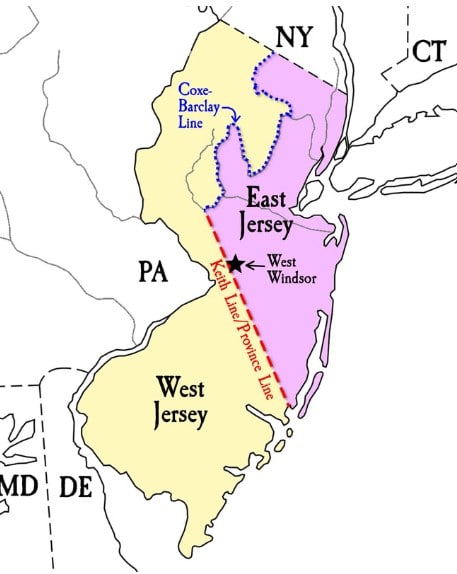
However, those Quakers wanted their land in America to be more than a safe refuge for themselves. In 1676, they divided New Jersey in half. They also made what is now South Jersey their a separate “commonwealth” with its own charter or constitution. There, they would put their ideas into practice. Their goal was to create a better world for all people. Five years later, Penn persuaded King Charles to give him additional land across the Delaware River. There he built Philadelphia. Their “Holy Experiment” was a spectacular success.
They were guided by the Golden Rule: “Do unto others as you would have them do unto you.” They consulted with Enlightenment philosophers John Locke and Algernon Sidney. They studied and avoided mistakes previously made in Virginia, Plymouth, and Massachusetts Bay.
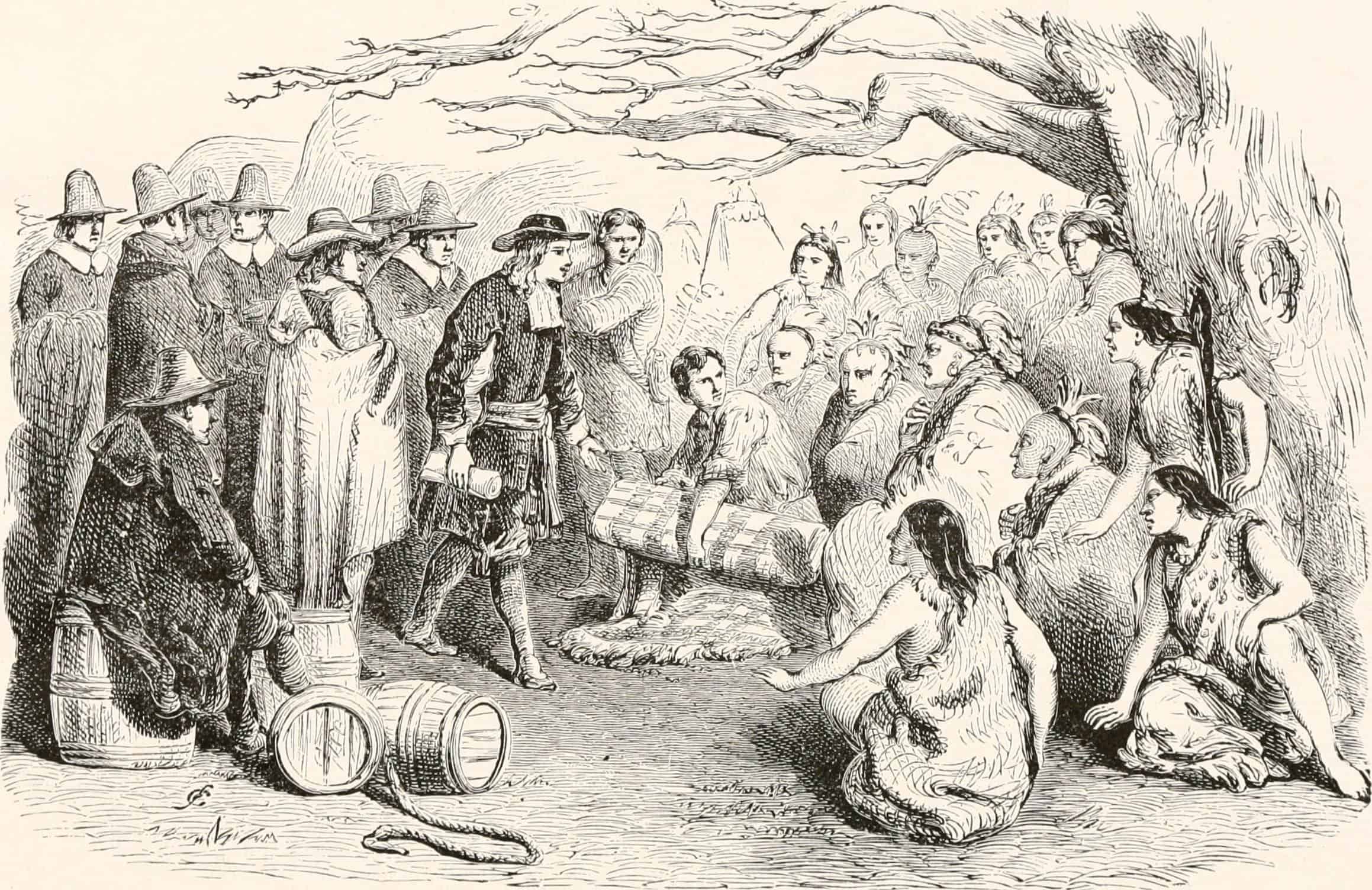
Above Image: William Penn make treaty with Lenape (Delaware) Sachem (Chief) Tamanend at Shackamaxon near Philadelphia in 1682.
They paid Native Americans for the land they needed. They quickly freed African slaves. They set up schools to educate both boys and girls.
They established frugal governments that required almost no taxes. Yet they kept people safe and protected their property. They quickly and peacefully settled disputes. They allowed people to keep most of what they earned. They offered “boundless opportunities” for almost everyone to succeed.
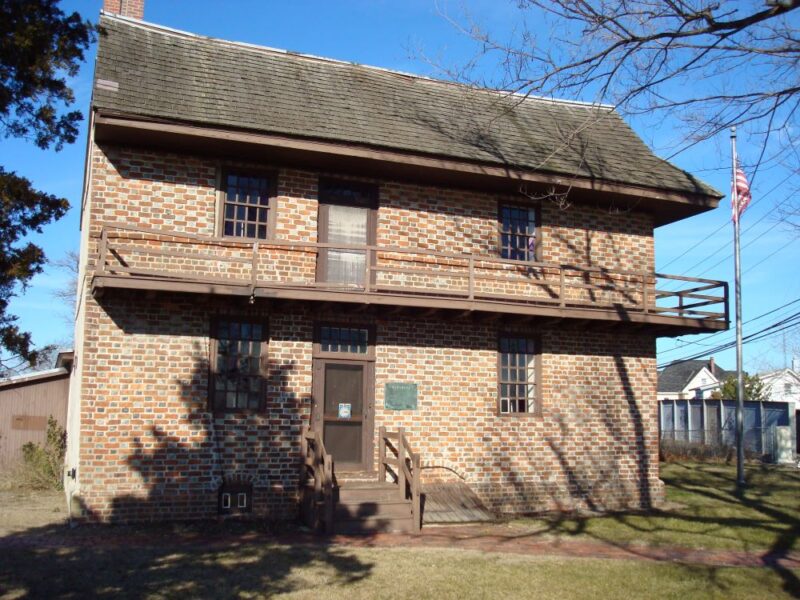
Above Image: Brick “mansion” built by Richard Somers in Somers Point in 1726 to replace the log house built nearby by his father, John Somers in 1693.
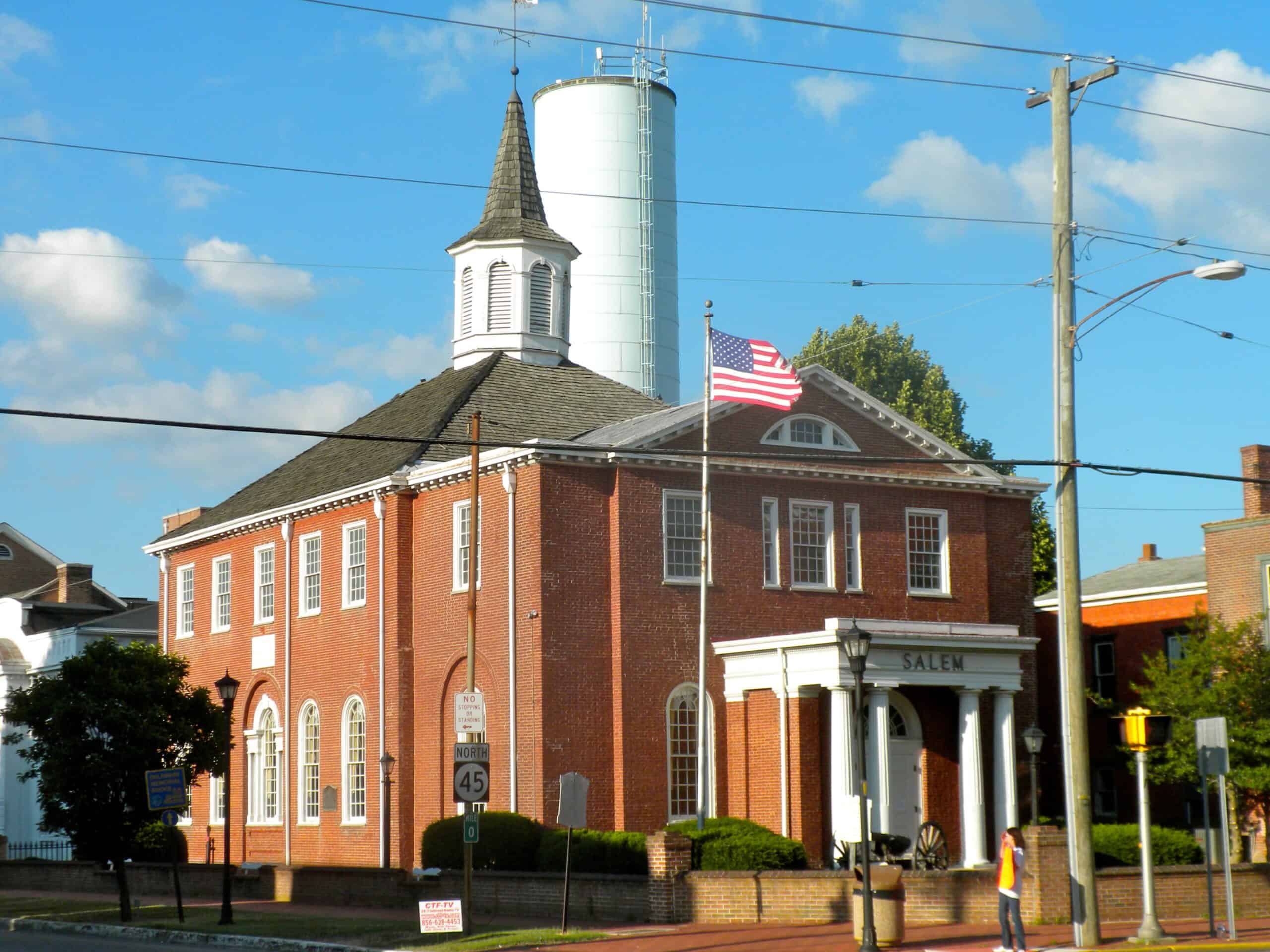
Above Image: Court House Built in Salem, New Jersey in 1735.
By 1776, Greater Philadelphia, which included Burlington, Salem and most of South Jersey, was the largest, wealthiest, and most successful community in British North America. At that time, boats and ships on rivers were faster, cheaper, and more efficient than most land transportation. Burlington to Salem in South Jersey were as much a part of Greater Philadelphia as Germantown.
I just published a book that tells this story. It is called 1676 Project: How New Jersey Shaped America. It is more than a complete and honest history of New Jersey. It explains what brought “exceptional” greatness to all of the United States. It is fully illustrated, clearly written, and easy to read. Yet it contains many passages from original sources to promote deeper understanding. Its comprehensive endnotes encourage fact-checking and further research.
1676 Project can be purchased on Amazon for $24.95. It can also be purchased directly for $20 from LibertyandProsperity.com and at many locations in and around Atlantic City and Ocean City. For more information, contact info@libertyandprosperity.com or call 609-927-7333
Seth Grossman is a retired attorney and adjunct college professor of history. He is also the founder and executive director of Liberty and Prosperity 1776, Inc.